
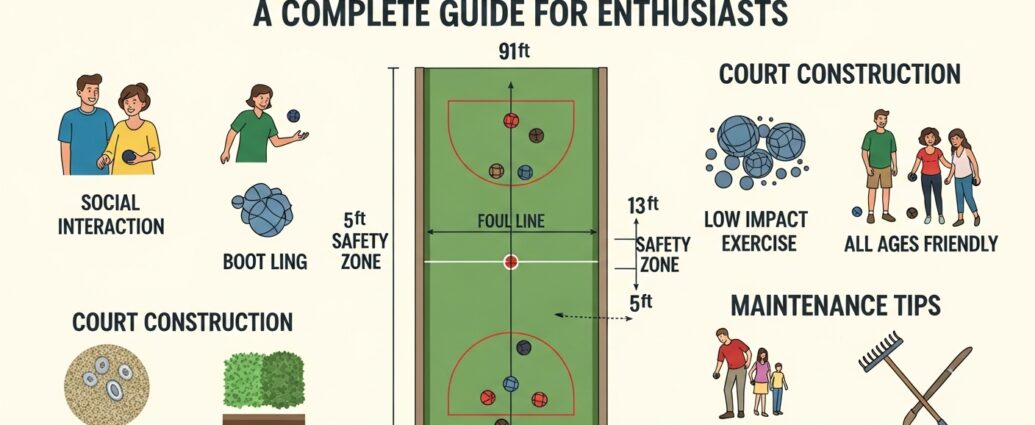
A bocce ball court is more than just a playing surface; it is a space where tradition, strategy, and community come together. This classic Italian game has gained popularity worldwide, making dedicated courts a valuable addition to homes, parks, and recreational facilities. Whether built for casual gatherings or competitive matches, a well-designed bocce ball court enhances the playing experience and encourages social interaction. Understanding its structure, materials, and maintenance requirements helps ensure long-term enjoyment. This guide explores everything from court dimensions to community benefits, offering practical insights for anyone interested in creating or using a bocce ball court.
Understanding the Basics of a Bocce Ball Court
A bocce ball court is specifically designed to provide a smooth and controlled playing surface for the sport of bocce. The court typically features a long rectangular shape with raised sideboards that keep the balls within bounds. While informal games can be played on grass, a dedicated court ensures consistent ball movement and fair competition. Standard measurements vary slightly depending on available space, but regulation courts are longer and narrower for competitive play. The playing surface often consists of compacted gravel, crushed stone, or synthetic materials that allow precise rolling. A proper bocce ball court enhances skill development and enjoyment.
Ideal Dimensions and Layout Planning
When planning a bocce ball court, dimensions are an important consideration. Regulation courts generally measure around 90 feet in length and 13 feet in width, although smaller backyard versions can be adjusted to fit available space. Careful layout planning ensures the court remains level and properly aligned. Adequate space around the perimeter allows players to move comfortably during matches. Drainage systems are also crucial, preventing water accumulation that could damage the surface. By carefully measuring and preparing the ground before construction, owners create a stable foundation that supports long-term use and consistent gameplay on the bocce ball court.
Choosing the Right Surface Materials
The playing surface is the most critical element of any bocce ball court. Traditional courts often use layers of crushed stone or decomposed granite, compacted to create a firm yet smooth finish. These materials allow controlled ball movement and easy maintenance. Some modern installations use synthetic turf or specialized clay blends for enhanced durability. The choice depends on climate, budget, and intended usage. A well-prepared surface ensures predictable ball roll and reduces irregular bounces. Investing in quality materials during construction helps maintain performance standards and extends the lifespan of the bocce ball court for recreational or competitive play.
Construction Process and Preparation
Building a bocce ball court requires careful preparation and attention to detail. The process typically begins with site excavation and leveling to create a stable base. A compacted foundation layer prevents shifting and maintains surface consistency over time. Perimeter boards, often made from treated wood or durable composite materials, define the boundaries and provide rebound support. Proper grading and drainage protect the court from weather damage. Once the surface layers are installed and compacted, finishing touches ensure smoothness and alignment. A thoughtfully constructed bocce ball court delivers reliable performance and minimizes future maintenance challenges.
Maintenance and Long-Term Care
Maintaining a bocce ball court is essential for preserving its quality and safety. Regular raking smooths the surface and removes debris that may interfere with gameplay. Periodic watering helps control dust and maintain proper compaction in dry climates. Inspecting and repairing boundary boards prevents structural damage. Seasonal resurfacing may be required to restore optimal playing conditions. Consistent maintenance not only improves performance but also extends the life of the court. By dedicating time to proper care, owners ensure that their bocce ball court remains inviting, functional, and ready for both casual gatherings and organized competitions.
Benefits of Installing a Bocce Ball Court
Installing a bocce ball court offers numerous personal and social benefits. The game is accessible to players of various ages and skill levels, making it ideal for families and community groups. A dedicated court encourages outdoor activity and friendly competition. It also creates a focal point for social gatherings, strengthening connections among participants. From a property perspective, a well-designed bocce ball court can enhance aesthetic appeal and recreational value. The combination of physical activity and social engagement promotes overall well-being. Investing in a court provides long-term enjoyment and contributes positively to active lifestyles.
Bocce Ball Court in Public and Community Spaces
Many public parks and recreational centers include a bocce ball court to attract diverse community members. These courts provide inclusive spaces where individuals from different backgrounds can interact through sport. Organized leagues and tournaments often take place on community courts, encouraging teamwork and friendly rivalry. Public installations also promote cultural appreciation, as bocce carries strong historical roots in Italian tradition. Well-maintained facilities contribute to urban revitalization by offering accessible recreational options. A community bocce ball court serves as both a sporting venue and a social hub that strengthens neighborhood bonds.
Enhancing the Court with Lighting and Seating
Additional features can significantly improve the functionality of a bocce ball court. Installing proper lighting extends playing hours into the evening, making the space more versatile. Comfortable seating areas encourage spectators and participants to relax between matches. Landscaping around the court enhances visual appeal while providing shade and comfort. These thoughtful additions create a welcoming environment that invites repeated use. By incorporating supportive amenities, owners transform a simple playing surface into a complete recreational area. Enhancing the bocce ball with practical features increases its value and enjoyment for players and guests alike.
Promoting the Sport Through Quality Facilities
High-quality bocce ball facilities play an important role in promoting the sport globally. When courts are well-designed and accessible, more individuals are encouraged to learn and participate. Schools, clubs, and recreational organizations often introduce bocce as a low-impact activity suitable for various age groups. Quality facilities ensure consistent gameplay, which enhances skill development and competitive interest. As awareness grows, communities recognize the benefits of investing in dedicated courts. A properly constructed bocce ball not only supports current players but also inspires future generations to embrace this classic and engaging sport.
Conclusion
A bocce ball court represents a blend of tradition, recreation, and community spirit. From careful planning and construction to consistent maintenance and thoughtful enhancements, every aspect contributes to a rewarding playing experience. Whether located in a private backyard or a public park, a well-designed court encourages physical activity, social interaction, and cultural appreciation. By understanding the key elements involved in building and maintaining a bocce ball, individuals and communities can create lasting spaces that promote enjoyment and connection for years to come.