
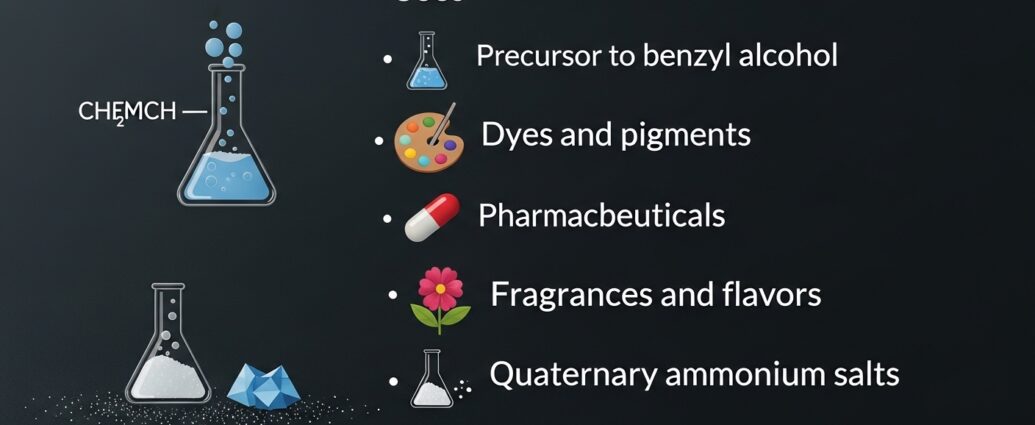
Benzyl chloride is a widely used chemical compound that plays an important role in various industrial and manufacturing processes. Known for its reactive nature, it serves as a key intermediate in the production of numerous products, including pharmaceuticals, dyes, and resins. Understanding benzyl chloride is essential for professionals working in chemical industries as well as students studying organic chemistry. Its versatility and effectiveness make it a valuable component in modern production systems. The properties, applications, and safety considerations of benzyl chloride, offering a clear and informative overview for a global audience.
Chemical Structure and Basic Properties
Benzyl chloride is an organic compound with the chemical formula C7H7Cl, consisting of a benzene ring attached to a chloromethyl group. This structure gives it unique chemical behavior, particularly its ability to undergo substitution reactions. It appears as a colorless liquid with a strong, pungent odor. The compound is slightly soluble in water but mixes well with many organic solvents. Its reactivity makes it highly useful in chemical synthesis. Understanding these basic properties helps explain why benzyl chloride is widely used as a building block in various industrial applications and chemical reactions.
Industrial Production Methods
The production of benzyl chloride typically involves the chlorination of toluene under controlled conditions. This process uses ultraviolet light or heat to initiate the reaction, resulting in the substitution of a hydrogen atom with chlorine. The efficiency of this method makes it suitable for large-scale industrial production. Manufacturers carefully monitor reaction conditions to ensure product purity and minimize byproducts. Advances in chemical engineering have improved the safety and sustainability of production methods. These developments have made benzyl chloride more accessible for industries that rely on it for manufacturing essential products.
Key Applications in Chemical Synthesis
Benzyl chloride is primarily used as an intermediate in organic synthesis, making it essential for producing a wide range of compounds. It is commonly involved in the formation of benzyl derivatives, which are used in pharmaceuticals, agrochemicals, and specialty chemicals. Its reactivity allows it to participate in substitution reactions, enabling the creation of complex molecules. This versatility makes benzyl chloride a valuable tool for chemists working in research and development. Its role in chemical synthesis highlights its importance in advancing modern industrial and scientific applications.
Role in Pharmaceutical Manufacturing
The pharmaceutical industry relies heavily on benzyl chloride for the production of various active ingredients and intermediates. It is used in the synthesis of drugs that require benzyl groups as part of their chemical structure. This compound helps create stable and effective formulations that meet industry standards. Its ability to react with different compounds makes it suitable for producing a wide range of medicinal products. By contributing to the development of pharmaceuticals, benzyl chloride plays a significant role in improving healthcare and supporting the creation of life-saving treatments.
Use in Dyes, Resins, and Polymers
Benzyl chloride is also widely used in the production of dyes, resins, and polymers. It acts as a precursor in the synthesis of compounds that provide color, durability, and stability to various materials. In the dye industry, it helps create vibrant and long-lasting colors for textiles and other products. In resin and polymer manufacturing, it contributes to the formation of materials used in coatings, adhesives, and plastics. These applications demonstrate the compound’s versatility and its importance in creating products that are part of everyday life.
Safety and Handling Considerations
Handling benzyl chloride requires careful attention due to its reactive and potentially hazardous nature. It can cause irritation to the skin, eyes, and respiratory system if not handled properly. Workers in industrial settings must use protective equipment and follow safety guidelines to minimize exposure. Proper storage is also important, as the compound should be kept in a cool, well-ventilated area away from incompatible substances. Understanding safety measures ensures that benzyl chloride can be used effectively while protecting the health of those who work with it.
Environmental Impact and Regulations
The environmental impact of benzyl chloride is an important consideration in its production and use. Improper disposal or release into the environment can lead to pollution and harm ecosystems. Regulatory agencies have established guidelines to control emissions and ensure safe handling practices. Industries are encouraged to adopt sustainable methods to reduce environmental risks. These measures include proper waste management and the use of cleaner production technologies. By following regulations, manufacturers can balance the benefits of benzyl chloride with the need to protect the environment.
Advances in Chemical Research
Ongoing research continues to explore new applications and improved methods for using benzyl chloride. Scientists are developing more efficient and environmentally friendly processes to enhance its production and reduce waste. Innovations in chemical synthesis are expanding its role in creating advanced materials and compounds. These advancements contribute to the growth of industries that depend on this versatile chemical. Research efforts also focus on improving safety and sustainability, ensuring that benzyl chloride remains a valuable resource for future applications.
Global Demand and Market Significance
The demand for benzyl chloride remains strong due to its wide range of applications across industries. Its importance in pharmaceuticals, chemical manufacturing, and material production drives its global market growth. Developing economies are contributing to increased demand as industrial activities expand. Market trends indicate a steady need for this compound in both established and emerging sectors. Understanding its market significance helps businesses and professionals recognize its role in the global economy and its potential for future growth.
Conclusion
Benzyl chloride is a crucial chemical compound that supports a variety of industrial and scientific processes. Its unique properties, wide range of applications, and importance in manufacturing make it an essential component in modern industry. While its benefits are significant, proper handling and environmental responsibility are necessary to ensure safe use. By understanding its characteristics and uses, professionals can make informed decisions and contribute to sustainable practices. Benzyl chloride continues to play a vital role in innovation, supporting advancements that shape industries and improve everyday life.