Dubia roaches have become one of the most trusted feeder insects for reptile, amphibian, and insect-eating pet owners around the world. Known for their high nutritional value, low odor, and easy maintenance, they are often preferred over crickets and mealworms. Whether you are caring for a bearded dragon, leopard gecko, or frog, dubia roaches provide a reliable and protein-rich food source. Their growing popularity in the pet care community comes from both convenience and health benefits. Everything you need to know about dubia roaches, including their benefits, care, feeding value, and why they remain a top choice for pet owners.
What Are Dubia Roaches?
Dubia roaches, scientifically known as Blaptica dubia, are a species of tropical roach commonly used as feeder insects for reptiles and amphibians. Unlike household cockroaches, they are clean, quiet, and far less likely to become pests. They cannot climb smooth surfaces or fly effectively, which makes them easy to contain in simple plastic bins or storage containers. Native to Central and South America, dubia roaches thrive in warm environments and reproduce steadily when properly cared for. Their calm behavior and easy handling make them ideal for both beginners and experienced reptile keepers.
Why Dubia Roaches Are So Popular
The popularity of dubia roaches comes from their excellent balance of nutrition, cleanliness, and convenience. Compared with crickets, they produce less noise and odor, which makes them more comfortable to keep at home. They are also known for their high meat-to-shell ratio, meaning pets receive more digestible nutrition with every feeding. Many reptile owners also appreciate that dubia roach live longer and are easier to store than other feeder insects. Their popularity continues to grow because they offer a practical solution for pet nutrition without many of the common drawbacks associated with alternative feeders.
Nutritional Benefits of Dubia Roaches
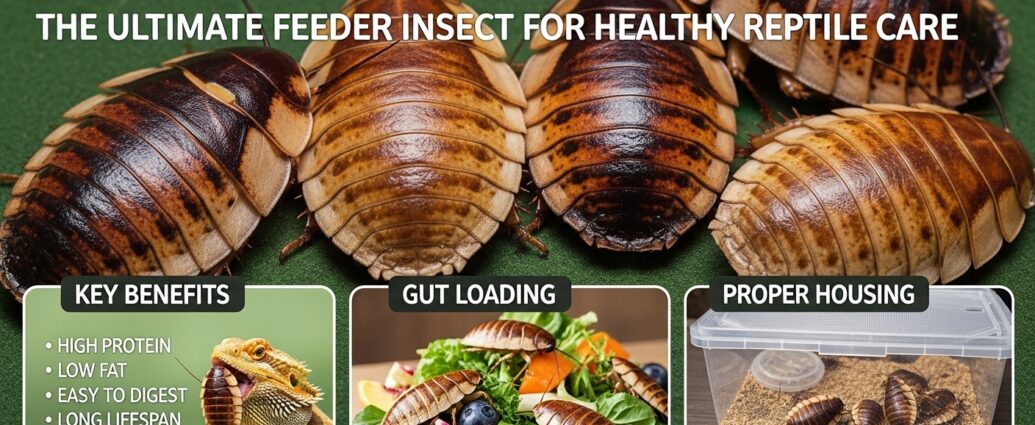
One of the biggest advantages of dubia roach is their impressive nutritional profile. They are rich in protein and contain moderate levels of healthy fats, making them an excellent staple feeder for many reptiles. Their softer outer shell compared to some insects makes digestion easier for pets. Properly gut-loaded dubia roach can also provide additional vitamins and minerals, improving the overall diet of your animal. Pet owners often use fresh vegetables and specialized insect diets to maximize nutritional value before feeding. This makes dubia roach one of the most effective live feeders available today.
How to Care for Dubia Roaches
Caring for dubia roach is relatively simple, which adds to their popularity. They should be kept in a well-ventilated plastic container with smooth sides to prevent escape. Egg cartons or cardboard flats provide excellent hiding spaces and help maximize usable space in the enclosure. A warm environment, generally between 75 and 90 degrees Fahrenheit, supports activity and healthy growth. For hydration, fresh fruits, vegetables, or water crystals are commonly used instead of open water bowls to prevent drowning. Proper care ensures that dubia roach remain healthy and nutritious for feeding purposes.
Feeding Dubia Roaches for Better Nutrition
What you feed dubia roach directly affects the nutrition they pass on to your pet. This process, known as gut loading, is extremely important for reptiles and amphibians. Healthy foods such as carrots, sweet potatoes, leafy greens, apples, and squash are commonly recommended. Avoid feeding them spoiled food, meat, or excessively high-protein pet foods, as these can reduce feeder quality and may negatively affect the animals consuming them. Many keepers gut-load their roaches for twenty-four to forty-eight hours before feeding them to pets. This significantly improves the nutritional benefit.
Which Pets Eat Dubia Roaches?
Dubia roaches are suitable for a wide variety of pets. They are especially popular for bearded dragons, leopard geckos, crested geckos, frogs, salamanders, tarantulas, and some bird species. Because they come in different sizes, they can be used for both juvenile and adult animals. Smaller nymphs are ideal for younger reptiles, while fully grown roaches are better suited for larger insectivores. Their versatility as a feeder insect is one reason they are considered one of the best staple food options in the exotic pet world.
Why Dubia Roaches Are Better Than Crickets
Many pet owners prefer dubia roach over crickets because they are quieter, cleaner, and easier to maintain. Crickets are known for chirping, odor, and shorter lifespans, which can be inconvenient for regular use. Dubia roach, on the other hand, live longer and stay healthier with minimal care. They are less likely to escape and generally do not bite pets if left uneaten. Their higher nutritional value and reduced mess make them a practical and cost-effective choice for long-term reptile feeding.
Modern Relevance of Dubia Roaches in Pet Care
As reptile ownership continues to grow globally, dubia roaches have become increasingly relevant in modern pet care. More owners now prioritize high-quality nutrition and low-maintenance feeding solutions. This has positioned dubia roaches as a leading option in the live feeder market. Online pet communities, care guides, and veterinary recommendations often highlight them as one of the best staple feeders available. Their continued rise in popularity reflects changing standards in exotic pet nutrition and responsible care practices.
Conclusion
Dubia roaches remain one of the best feeder insects for reptiles and other insect-eating pets. Their strong nutritional value, easy care requirements, and practical benefits make them a preferred choice for beginners and experienced keepers alike. From bearded dragons to frogs and geckos, they offer reliable, healthy nutrition when properly maintained and gut-loaded. As awareness of proper exotic pet care continues to increase, dubia roaches will likely remain a staple in the world of reptile nutrition for years to come.