
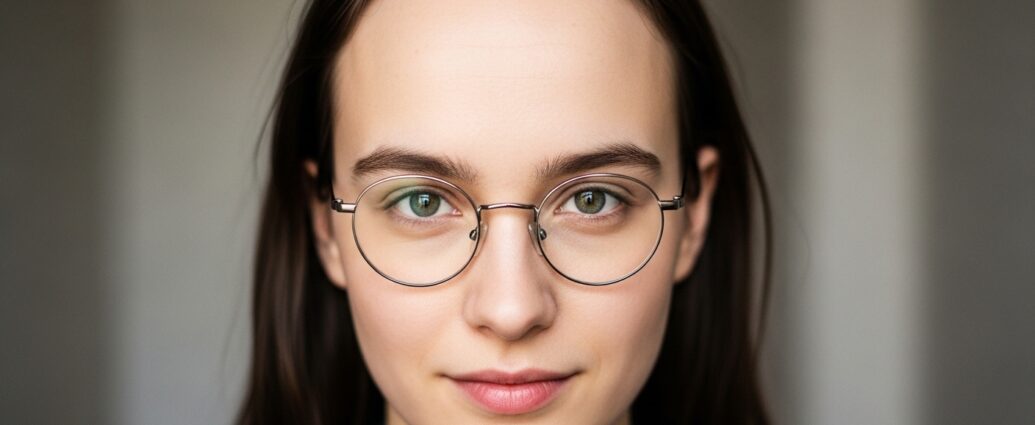
Many people at some point look in the mirror and think, “my forehead is big.” This is a common concern related to facial proportions, appearance, and personal confidence. In reality, forehead size varies naturally from person to person and is influenced by genetics, hairline shape, and overall face structure. What one person may view as a prominent forehead, another may see as a unique and attractive feature. Across different cultures and beauty trends, forehead proportions are often interpreted in various ways. Understanding why the forehead appears larger and how it fits within overall facial balance can help create a healthier and more confident perspective.
What It Means When the Forehead Is Big
When someone says their forehead is big, they are usually referring to a forehead that appears taller or wider compared to the rest of the face. This is often measured by the distance between the eyebrows and the hairline. In many cases, this feature is entirely natural and simply part of a person’s facial structure. Genetics plays the biggest role in determining forehead size and shape. Some individuals inherit a naturally higher hairline, while others have face shapes that make the forehead appear more prominent. Rather than being a flaw, a larger forehead is often just one of many unique characteristics that define personal appearance.
Genetics and Natural Face Structure
One of the most common reasons a forehead is big is genetics. Facial proportions are largely inherited from parents and family traits, including the height of the hairline, the width of the forehead, and overall skull shape. If several family members share similar facial features, it is likely a normal inherited characteristic. Face shapes such as oval, heart-shaped, or long faces may naturally make the forehead seem larger. In these cases, the forehead is simply part of a balanced facial structure. Understanding the role of genetics can help reduce unnecessary concern and shift focus toward appreciating natural facial individuality and beauty.
Hairline Position and Forehead Appearance
The position of the hairline significantly affects how large the forehead appears. A naturally high hairline can create the impression that the forehead is big, even when the actual facial proportions are balanced. Hair loss, thinning hair, or receding hairlines can also make the forehead seem more prominent over time. For some people, hairstyles such as tightly pulled-back ponytails or buns may further emphasize the forehead area. On the other hand, different haircuts and fringe styles can change how the forehead is visually perceived. This shows that appearance is often influenced by styling choices as much as natural features.
Beauty Standards and Cultural Perspectives
Beauty standards related to forehead size vary greatly across cultures and time periods. In some societies, a larger forehead has historically been associated with elegance, intelligence, and beauty. Fashion trends, celebrity influence, and media representation often shape how people perceive facial features. What may be considered a concern in one trend cycle may be viewed as highly attractive in another. The idea that a forehead is big should not automatically be linked to negativity. Beauty is highly subjective, and many admired public figures are known for distinctive facial proportions that include prominent foreheads. Individuality often adds character and uniqueness to appearance.
Styling Tips to Balance Facial Proportions
For those who feel self-conscious because their forehead is big, certain styling techniques can help create visual balance. Hairstyles with bangs, side fringes, or layered cuts are commonly chosen to soften forehead prominence. Loose waves and volume around the sides of the face can also help balance proportions. Makeup techniques, such as contouring near the hairline, may create a more blended facial look. Accessories like headbands, caps, and glasses can further shift visual focus. These simple styling choices are not about hiding features but rather enhancing overall harmony and helping individuals feel more confident in their appearance.
Confidence and Self-Perception
Often, the concern that a forehead is big is more about self-perception than actual facial imbalance. People tend to focus on specific features they believe stand out, even when others barely notice them. Confidence plays a major role in how appearance is perceived both personally and socially. A feature that someone views as a flaw may actually contribute to their distinctive and memorable look. Developing a positive self-image involves understanding that facial uniqueness is part of natural human diversity. Confidence, expression, and personality often leave a much stronger impression than any single physical feature.
When Medical Factors May Be Involved
In some situations, the perception that a forehead is big may be linked to changes in the hairline caused by medical or age-related factors. Hair thinning, stress-related hair loss, hormonal changes, and certain scalp conditions can make the forehead appear larger over time. In such cases, consulting a healthcare or dermatology professional may help identify possible causes and solutions. However, it is important to distinguish between natural forehead size and changes caused by hairline shifts. Most cases are completely normal and do not require any medical attention. Understanding this difference helps avoid unnecessary worry.
Embracing Natural Features
Learning to embrace the idea that a forehead is big can be an important step toward self-acceptance. Every face has unique proportions that contribute to individuality and personal beauty. Rather than comparing facial features to unrealistic standards, focusing on overall appearance and self-confidence creates a healthier mindset. Many people find that once they stop overanalyzing a single feature, they begin to appreciate their face as a whole. Embracing natural characteristics promotes confidence, authenticity, and emotional well-being. True beauty often lies in the confidence with which a person carries their natural look.
Why a Big Forehead Is Not a Flaw
A big forehead should never be viewed as a flaw or something negative. It is simply one variation of normal facial anatomy and often adds uniqueness and balance to the face. Many attractive and confident individuals have prominent foreheads, proving that beauty is not defined by strict measurements. Personal style, confidence, and self-expression matter far more than any isolated feature. Instead of focusing on perceived imperfections, embracing natural proportions can lead to stronger self-esteem and a more positive self-image.
Conclusion
The idea that a forehead is big is often based on personal perception, natural genetics, and hairline shape rather than any actual problem. Facial diversity is normal, and a prominent forehead is simply one of many beautiful variations in human appearance. Understanding the reasons behind this feature, along with styling options and confidence-building perspectives, can help create a more balanced view. Ultimately, individuality and self-confidence are what truly define attractiveness and lasting beauty.