
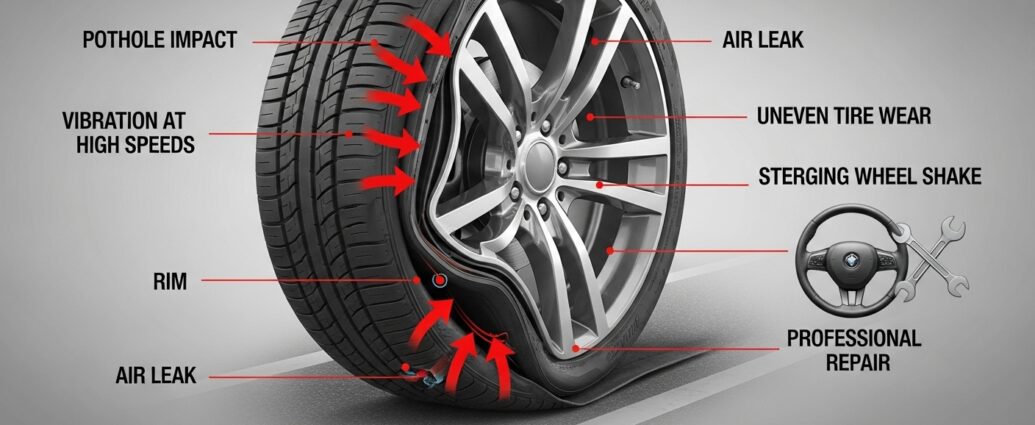
Bent rim problems are more common than many drivers realize, yet they can significantly affect vehicle performance and safety. A rim plays a crucial role in supporting the tire and maintaining proper contact with the road. When it becomes bent due to impact or road hazards, the consequences may range from minor vibrations to serious driving risks. Ignoring rim damage can lead to uneven tire wear, reduced fuel efficiency, and compromised handling. Understanding the causes, warning signs, and available solutions for bent rim problems helps drivers maintain their vehicles properly and avoid costly long term damage.
Common Causes of Bent Rim Problems
Bent rim problems often occur when a vehicle encounters sudden impacts on the road. Striking potholes at high speed is one of the leading causes, especially on poorly maintained roads. Hitting curbs during parking or driving over debris can also bend the metal structure of a rim. Low profile tires, which have less cushioning, increase the risk of rim damage because they provide limited shock absorption. Weather conditions such as freezing temperatures may further weaken road surfaces, creating hazards. Recognizing these common causes allows drivers to adopt cautious driving habits and reduce the likelihood of rim damage.
Warning Signs You Should Not Ignore
Identifying bent rim problems early can prevent more serious mechanical issues. One of the most noticeable symptoms is vibration in the steering wheel, especially at higher speeds. Drivers may also experience uneven tire wear or hear unusual noises while driving. A slow tire pressure leak can indicate that the rim is no longer sealing properly against the tire. In some cases, the vehicle may pull slightly to one side due to imbalance. Paying attention to these warning signs helps drivers address rim damage promptly, improving safety and maintaining optimal vehicle performance.
Impact on Vehicle Performance
Bent rim problems directly affect how a vehicle handles and responds on the road. A damaged rim disrupts wheel balance, causing instability during acceleration or braking. This imbalance can place additional stress on suspension components, leading to premature wear. Steering precision may decline, making it more difficult to maintain control, especially on uneven surfaces. Fuel efficiency can also suffer as the engine works harder to compensate for misalignment. Over time, untreated rim damage may contribute to broader mechanical issues. Addressing bent rim problems quickly helps preserve overall vehicle performance and ensures a smoother driving experience.
Safety Risks Associated with Damaged Rims
Driving with bent rim problems poses significant safety risks. A compromised rim can weaken the structural integrity of the wheel assembly, increasing the likelihood of tire blowouts. Reduced traction and unpredictable handling may make emergency maneuvers more dangerous. In severe cases, the tire may lose air rapidly, leading to sudden loss of control. These risks become more pronounced at high speeds or in adverse weather conditions. Maintaining properly functioning rims is essential for safe driving. Regular inspections and prompt repairs help minimize hazards and protect both the driver and other road users.
Inspection and Diagnosis Methods
Proper inspection is essential for accurately diagnosing bent rim problems. Visual examination can reveal obvious dents or distortions along the rim edge. However, minor bends may require professional assessment using specialized equipment. Automotive technicians often use wheel balancing machines to detect uneven rotation or wobbling. Measuring tools can identify subtle deviations that affect alignment and tire sealing. Routine maintenance checks provide an opportunity to catch rim damage before it worsens. Seeking professional evaluation ensures accurate diagnosis and prevents unnecessary replacement of other vehicle components that may appear affected by rim issues.
Repair Options and Professional Solutions
When facing bent rim problems, drivers often have the option to repair rather than replace the damaged rim. Professional rim straightening services use hydraulic equipment to carefully reshape the metal without compromising strength. This solution is typically suitable for minor to moderate bends. In cases of severe cracking or structural weakness, replacement may be the safer choice. Consulting a qualified technician ensures that repairs meet safety standards. Investing in proper restoration prevents recurring issues and extends the lifespan of both the rim and tire, ultimately reducing long term maintenance expenses.
Preventive Measures for Drivers
Preventing bent rim problems begins with mindful driving habits. Reducing speed when approaching potholes or uneven surfaces minimizes impact force. Maintaining correct tire pressure helps distribute weight evenly and improves shock absorption. Drivers should also avoid mounting curbs during parking and remain attentive to road conditions. Regular vehicle maintenance allows early detection of potential weaknesses. Choosing high quality rims designed for durability can provide additional protection. By adopting preventive measures, drivers can significantly reduce the risk of rim damage and maintain consistent vehicle performance over time.
The Cost Implications of Rim Damage
Bent rim problems can lead to unexpected expenses if not addressed promptly. While minor repairs are generally affordable, prolonged neglect may result in damaged tires, suspension wear, or alignment issues. Replacing multiple components can quickly increase repair costs. Additionally, reduced fuel efficiency due to imbalance adds to long term operating expenses. Timely repair or replacement of a bent rim often proves more economical than allowing damage to escalate. Understanding the financial impact encourages proactive maintenance and helps drivers make informed decisions regarding vehicle care.
Choosing the Right Replacement Rim
If replacement becomes necessary, selecting the appropriate rim is crucial for maintaining safety and performance. Drivers should ensure that the new rim matches the vehicle’s specifications, including size, bolt pattern, and load capacity. Material choice also matters, as alloy and steel rims offer different benefits in terms of durability and weight. Consulting automotive professionals helps guarantee compatibility and proper installation. Investing in quality components reduces the likelihood of future bent rim problems. Careful selection supports long term reliability and enhances the overall driving experience.
Conclusion
Bent rim problems may seem minor at first, but their impact on safety, performance, and cost can be significant. From common causes such as potholes to warning signs like steering vibrations, understanding these issues empowers drivers to take timely action. Professional inspection, repair, and preventive measures play vital roles in maintaining vehicle integrity. Addressing rim damage promptly not only ensures smoother handling but also protects essential components from further strain. By staying attentive and proactive, drivers can minimize risks, control expenses, and maintain dependable performance on every journey.