
Learning how to say march in Spanish is an essential step for anyone interested in mastering basic vocabulary and improving communication skills. Months of the year are commonly used in conversations, travel planning, and professional settings, making them important for language learners. Understanding not just the translation but also the correct usage helps build confidence and accuracy. The meaning, pronunciation, grammar rules, and cultural relevance of march in Spanish, providing a complete and practical guide. By the end, you will be able to use the term naturally in both spoken and written Spanish.
The Translation of March in Spanish
The translation of march in Spanish is marzo, a straightforward yet important word in everyday communication. Unlike some English words that have multiple meanings, marzo specifically refers to the third month of the year. It is widely used across Spanish-speaking countries without variation, making it easy for learners to remember. Knowing this translation allows you to talk about dates, events, and plans with greater clarity. As one of the foundational vocabulary terms, marzo plays a key role in building sentences and expressing time-related ideas accurately in both casual and formal conversations.
Pronunciation of March in Spanish
Pronouncing march in Spanish correctly is essential for clear communication and confidence. The word marzo is pronounced as mar-tho in Spain and mar-so in most Latin American countries. The variation comes from regional accents, but both forms are widely understood. Paying attention to pronunciation helps avoid misunderstandings and improves listening skills. Practicing the word aloud and hearing native speakers use it in context can make a significant difference. Over time, consistent practice will allow you to pronounce marzo naturally, making your spoken Spanish sound more fluent and polished in everyday interactions.
Grammar Rules for Using March in Spanish
Understanding grammar is crucial when using march in Spanish correctly. The word marzo is a masculine noun, but unlike in English, months in Spanish are not capitalized unless they begin a sentence. It is commonly used with definite articles such as el when referring to specific dates. For example, saying el cinco de marzo means the fifth of March. Learning these rules ensures that your sentences are grammatically accurate. Paying attention to small details like capitalization and article usage helps improve overall language proficiency and prevents common mistakes made by beginners learning Spanish.
Using March in Dates and Sentences
Using march in Spanish within dates and sentences is a practical skill that enhances communication. In Spanish, dates are structured differently from English, typically following the format day, month, and year. For example, quince de marzo means the fifteenth of March. Incorporating marzo into sentences allows you to discuss plans, appointments, and historical events. It is also useful in writing emails, scheduling meetings, and making travel arrangements. Practicing sentence formation with marzo helps reinforce vocabulary while improving fluency, making it easier to communicate clearly in both personal and professional contexts.
Cultural Significance of March in Spanish-Speaking Countries
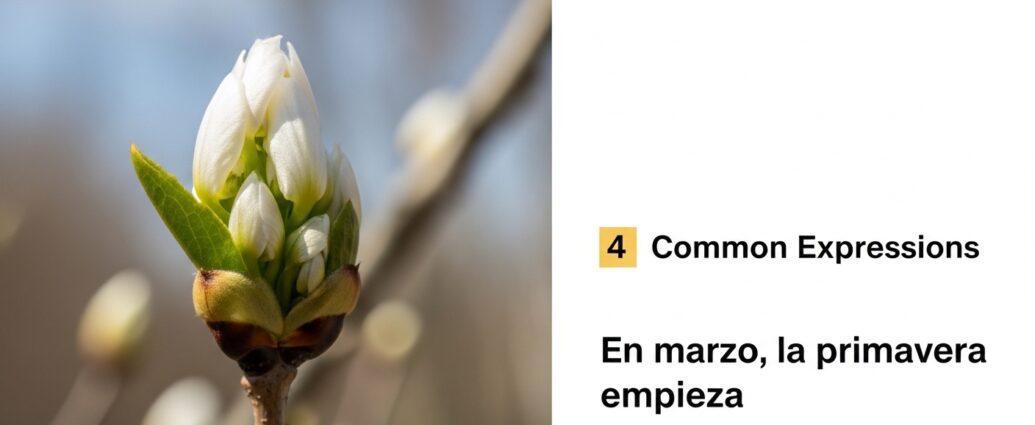
March holds cultural importance in many Spanish-speaking countries, making the understanding of march in Spanish more meaningful. Various festivals, national holidays, and seasonal changes occur during marzo, depending on the region. In some countries, it marks the beginning of spring, bringing celebrations and outdoor activities. In others, it may be associated with historical events or national observances. Learning about these cultural aspects adds depth to language learning, helping you connect vocabulary with real-life experiences. This approach not only improves comprehension but also makes the learning process more engaging and memorable for learners.
Common Phrases with March in Spanish
There are several common phrases that include march in Spanish, making it easier to integrate the word into everyday conversation. Expressions like en marzo, which means in March, or a finales de marzo, meaning at the end of March, are frequently used. These phrases help describe time frames and events more precisely. Learning such expressions allows you to communicate more naturally and effectively. By practicing these phrases regularly, you can expand your vocabulary and gain confidence in using marzo in different contexts, whether speaking with friends, colleagues, or native Spanish speakers.
Differences Between English and Spanish Usage
There are noticeable differences between English and Spanish when using march in Spanish. One key distinction is the lack of capitalization in Spanish, which differs from English conventions. Additionally, Spanish often uses prepositions like de and en when forming date expressions. Sentence structure can also vary, requiring learners to adjust their thinking patterns. Understanding these differences helps avoid direct translation errors and improves overall fluency. By becoming aware of these distinctions, learners can develop a more natural approach to speaking and writing Spanish, making their communication clearer and more accurate over time.
Learning Tips for Remembering March in Spanish
Remembering how to use march in Spanish effectively requires consistent practice and smart learning strategies. Associating marzo with familiar events or personal experiences can make it easier to recall. Repeating the word in different contexts, such as writing sentences or speaking aloud, reinforces memory. Listening to Spanish content, including conversations and media, also helps with recognition and pronunciation. Engaging with the language regularly ensures that the word becomes a natural part of your vocabulary. These practical techniques support long-term retention and help learners use marzo confidently in real-life situations.
Importance of Months in Language Learning
Understanding months like march in Spanish is an important part of building a strong language foundation. Months are used frequently in conversations about schedules, events, and personal experiences. Mastering them allows learners to express time clearly and participate in meaningful discussions. In addition, knowing months improves comprehension when reading or listening to Spanish content. It also supports learning other related topics, such as seasons and holidays. Focusing on essential vocabulary like marzo ensures steady progress and helps learners feel more confident as they expand their language skills step by step.
Conclusion
Learning how to say and use march in Spanish is a valuable step toward mastering everyday communication. The word marzo may seem simple, but it plays an important role in expressing dates, planning events, and understanding cultural contexts. By focusing on pronunciation, grammar, and practical usage, learners can use this term with confidence and accuracy. Consistent practice and exposure to real-life examples make the learning process more effective and enjoyable. As you continue building your Spanish vocabulary, mastering essential words like marzo will help you communicate more naturally and connect more easily with Spanish-speaking communities.