
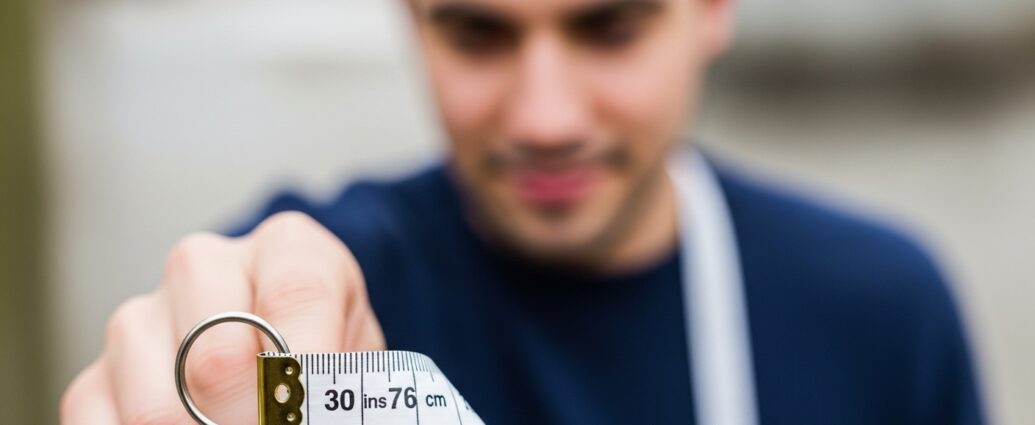
Understanding how to measure waist correctly is important for clothing fit, health monitoring, and personal fitness goals. Many people rely on waist measurements when buying clothes online, tracking body changes, or evaluating their overall body proportions. However, measuring the waist incorrectly can lead to inaccurate clothing sizes or misleading health information. The process itself is simple, but it requires attention to positioning, posture, and the correct use of a measuring tape. Learning how to measure waist properly helps ensure reliable results and better decision making when it comes to fashion choices, tailoring adjustments, and maintaining awareness of personal health.
Why Waist Measurement Is Important
Knowing how to measure waist accurately provides valuable information for both clothing fit and health awareness. In the fashion industry, waist size helps determine the correct fit for pants, skirts, and tailored garments. Designers and retailers rely heavily on waist measurements to create size charts that guide customers toward comfortable clothing. Beyond fashion, waist circumference is often used by health professionals to evaluate body composition and potential health risks. A clear understanding of waist size allows individuals to track physical changes over time. Because of these benefits, learning how to measure waist correctly becomes an important step for everyday life and personal wellbeing.
Identifying the Natural Waistline
The first step in learning how to measure waist is identifying the natural waistline on the body. This area is typically the narrowest part of the torso, located between the rib cage and the hips. For many people, it sits slightly above the belly button and below the rib bones. Standing upright and bending gently to one side often reveals the natural crease where the body folds. That crease usually marks the correct position for measurement. Recognizing this location ensures consistency whenever measurements are taken. Without identifying the natural waistline, it becomes difficult to obtain an accurate result when attempting to measure waist size properly.
Choosing the Right Measuring Tape
Selecting the correct measuring tool plays an important role in how to measure waist effectively. A flexible fabric or plastic measuring tape designed for body measurements works best because it easily wraps around the torso. Unlike rigid rulers or metal tapes, a soft measuring tape follows the natural curve of the body and provides more accurate readings. These tapes are commonly used by tailors and fitness professionals for body measurements. When measuring the waist, the tape should lie flat against the skin without twisting. Using a proper measuring tape ensures the measurement reflects the true waist size rather than an estimate.
Proper Body Posture During Measurement
Body posture significantly influences how to measure waist accurately. Standing straight with feet comfortably apart allows the torso to maintain its natural shape. The shoulders should remain relaxed, and the stomach should not be pulled inward or pushed outward intentionally. Holding a normal posture ensures that the waist measurement reflects the body’s true circumference. If a person leans forward, tightens the stomach, or slouches, the measurement may become smaller or larger than reality. Maintaining natural posture creates consistent results each time the measurement is taken. Correct posture is therefore essential for anyone learning how to measure waist reliably.
Positioning the Measuring Tape Correctly
Another key step in how to measure waist involves placing the measuring tape around the body at the correct height. The tape should wrap evenly around the natural waistline without tilting upward or downward. It should remain parallel to the floor all the way around the torso. If the tape angles slightly, the final number may not represent the true waist size. While holding the tape, it should rest gently against the body without compressing the skin. The goal is to measure the natural circumference, not to tighten the tape excessively. Proper tape placement ensures an accurate and consistent waist measurement.
Breathing Naturally During Measurement
Breathing plays an important role when learning how to measure waist accurately. The measurement should be taken while breathing normally, not while holding the breath or expanding the chest dramatically. Exhaling gently and relaxing the abdomen provides the most realistic result. If the measurement is taken while inhaling deeply or tightening the stomach muscles, the number may not reflect the body’s natural waist size. Health professionals and tailors usually recommend measuring at the end of a normal breath for consistency. Allowing the body to remain relaxed during this moment ensures that the final waist measurement represents everyday body conditions.
Recording and Tracking Waist Measurements
After learning how to measure waist correctly, recording the measurement becomes useful for tracking changes over time. Many individuals measure their waist periodically to monitor fitness progress, weight management, or tailoring needs. Writing down the measurement along with the date allows comparisons in the future. Small changes in waist circumference may reflect adjustments in lifestyle, exercise routines, or dietary habits. Consistent tracking also helps people notice long term trends in body shape. Whether the goal is improving health or ensuring proper clothing fit, documenting waist measurements makes the process more meaningful and easier to evaluate over time.
Common Mistakes When Measuring Waist
Several common mistakes can affect the accuracy of how to measure waist. One frequent error involves placing the measuring tape too high near the ribs or too low near the hips. Another mistake occurs when the tape is pulled too tightly, compressing the skin and reducing the true measurement. Some people also measure over thick clothing, which adds extra centimeters or inches to the result. Inconsistent posture can also lead to unreliable measurements. Being aware of these mistakes helps individuals avoid misleading numbers. Careful attention to correct technique ensures that each waist measurement reflects the actual size of the body.
Using Waist Measurement for Clothing and Fitness
Once someone understands how to measure waist properly, the information can be applied in several practical ways. Clothing brands use waist measurements to guide size selection, especially for pants, jeans, and skirts. Tailors also depend on accurate waist sizes when adjusting garments for a better fit. In fitness settings, waist circumference often helps individuals evaluate body composition and monitor progress toward health goals. Because the waist area reflects changes in body fat distribution, measuring it periodically can provide useful insight. Accurate waist measurement therefore supports both fashion decisions and long term personal health awareness.
Conclusion
Learning how to measure waist correctly is a simple yet valuable skill that benefits both everyday clothing choices and personal health tracking. By identifying the natural waistline, using a flexible measuring tape, maintaining proper posture, and measuring while breathing normally, individuals can obtain reliable results. Avoiding common mistakes ensures consistency each time the measurement is taken. Recording waist measurements also allows people to monitor physical changes over time. Whether the goal is finding better fitting clothing or understanding body composition, knowing how to measure waist accurately provides practical information that supports confident and informed decisions.